It’s not related to anything you’ve seen from us so far. However, we feel an obligation as people standing on the frontier to look at the foundations of the human experience and ask: “What do we want to be different?” “How do we want to be different?” and “What do we want to become?”
We must ask these questions. We must find new answers. And we must tell stories of deeply human futures that we can all want to be a part of.
That’s why we are announcing:
We’re building a bold new kind of machine to reimagine the foundations of healthcare and our relationships to our bodies.
We’ve dreamed of something as powerful as MRI, and as casual as a trip to the spa, and we’re unveiling a path to that - today.
One of the overarching themes of the 21st century will be the expanding reach of intelligence and what we choose to do with it. We talk to artificial intelligences every day - and increasingly we talk to them about our health.
Whether we’re talking to doctors or AIs, what we do with our health comes down to having data and an awareness of our bodies.
You want as much data as you can get about your health as quickly and as cheaply as possible. In other words, you want a technology optimized for getting as many “megabytes per second per dollar” of information about your body.
In an ideal and near-term future, we take this information and watch how it changes over time. We compare it to the general population, we talk to doctors, nutritionists, coaches, trainers, and AI friends. We become more aware of our health and we improve our lifestyles. We make smarter, more proactive, more frequent decisions. And we live longer, healthier lives, better lives.
That's the dream - now let's step back to our machine:
The Midjourney Scanner
It starts by stepping into a shallow pool of golden light. You then begin to descend into the water. Your body passes through a ring of underwater sensors, each acting like a dolphin, using its echolocation. The sensors send ultrasonic sound waves through your body from every angle. With enough waves, and enough angles, we form an image of what's happening inside your body.
The goal is for this process to take no more than 60 seconds.
You go into the water, you come out of the water, and you're done.
Looking Closer
When you step into the water, you’re standing on top of a platform. The platform is connected to rails and begins to descend into the water - an elevator gently lowering you at around 2 inches, or 5 centimeters, per second.
As you descend you pass through a ring made of half a million tiny squares each the size of a fine grain of sand, and each capable of acting as both a tiny speaker and a tiny microphone.
Each square creates ultrasonic waves and records the ripples back at millions of times per second. Together they act as both a choir and an audience - producing terabytes of data each second. If we converted that data into HD internet video you’d need to watch 500 hours of footage for every 1 second of scan data.
The sheer number of mechanical elements, the inconceivable volume of data, and the computational power required for this to all come together is one reason why no such machine was ever made - until now.
As you descend into the water, hundreds of thousands of tiny elements take turns, sending out waves, listening together, compressing and then streaming data to a massive cluster where thousands of computers split the task.
The major computational task is figuring out how to change waves into images. Basically - as waves travel through the water and your body they change shape. The shape of these waves changes whenever there is a change in density or stiffness (i.e., going from water to skin to fat to muscle to bone). By looking at how the shapes of all the waves change, we reconstruct a detailed map or ‘image’ which basically lets us figure out what’s in there.
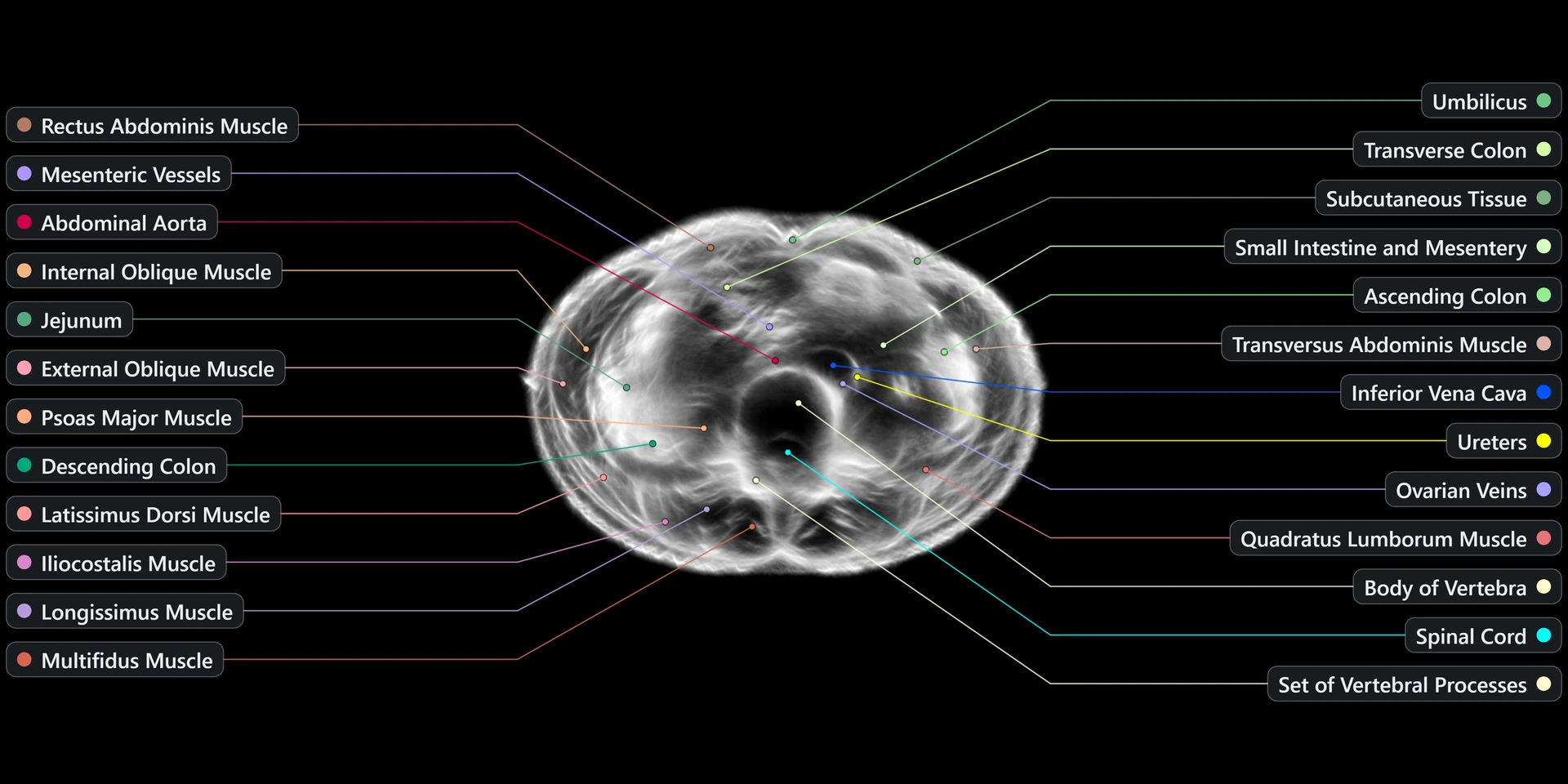
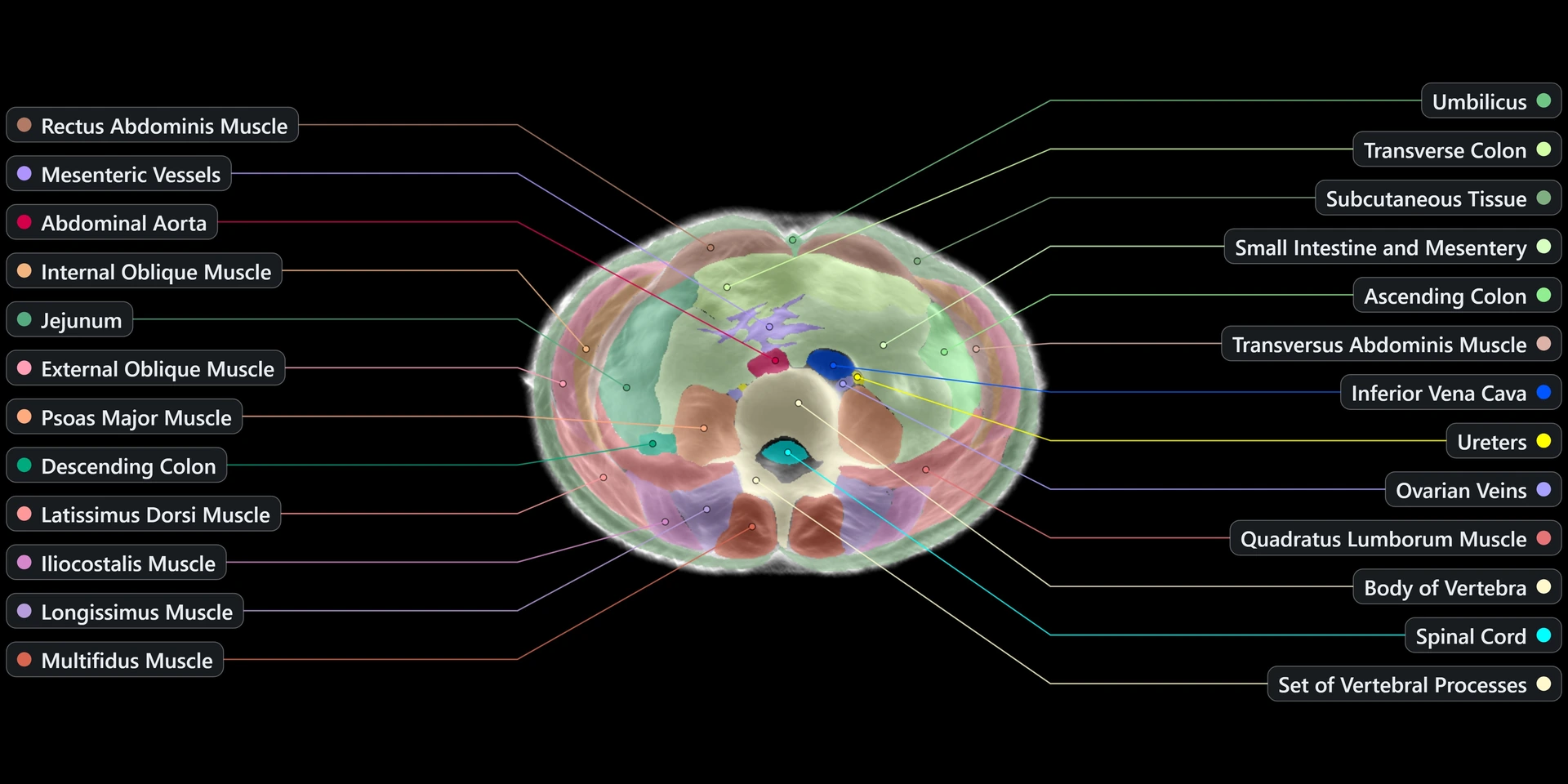
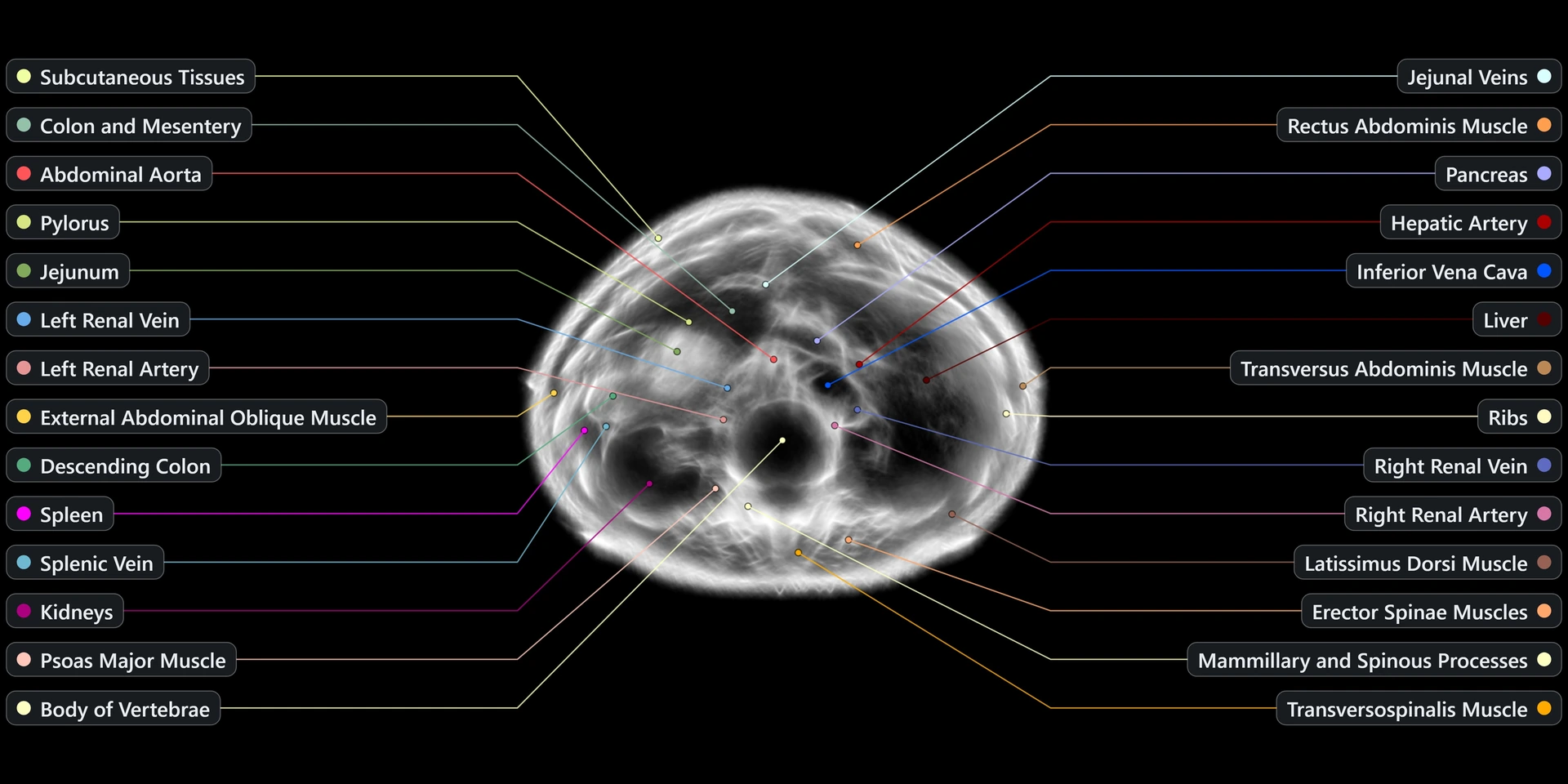
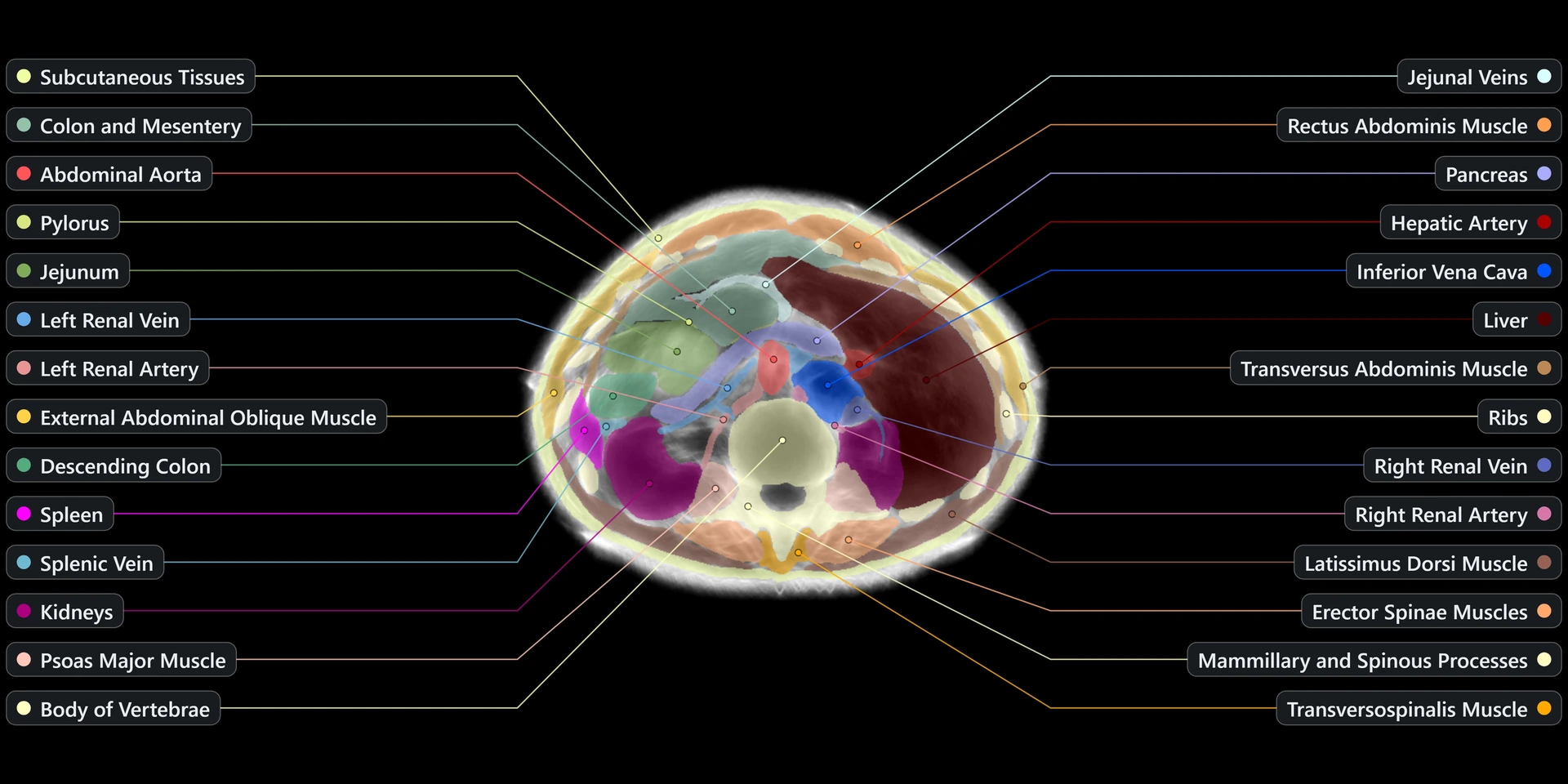
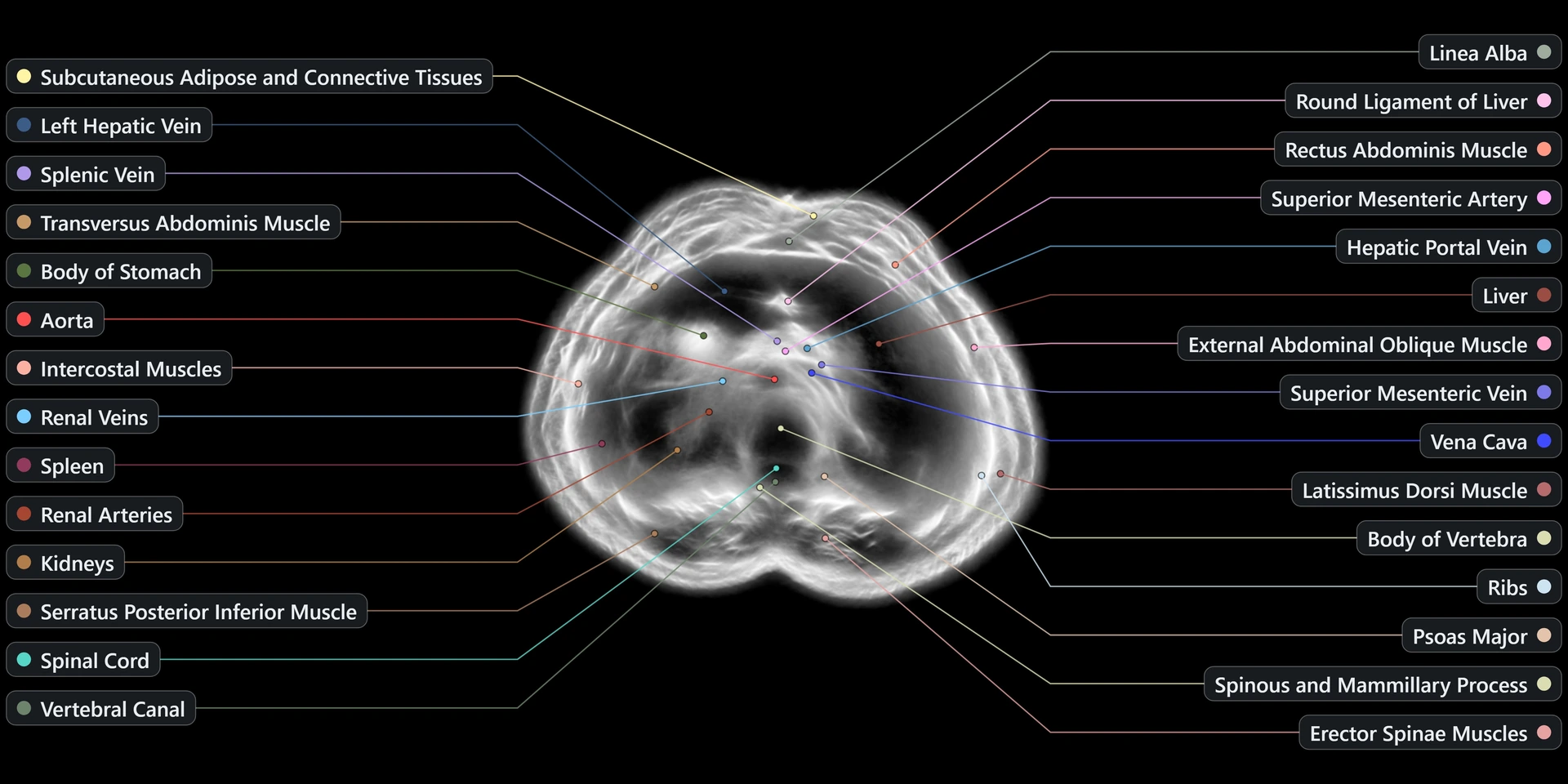
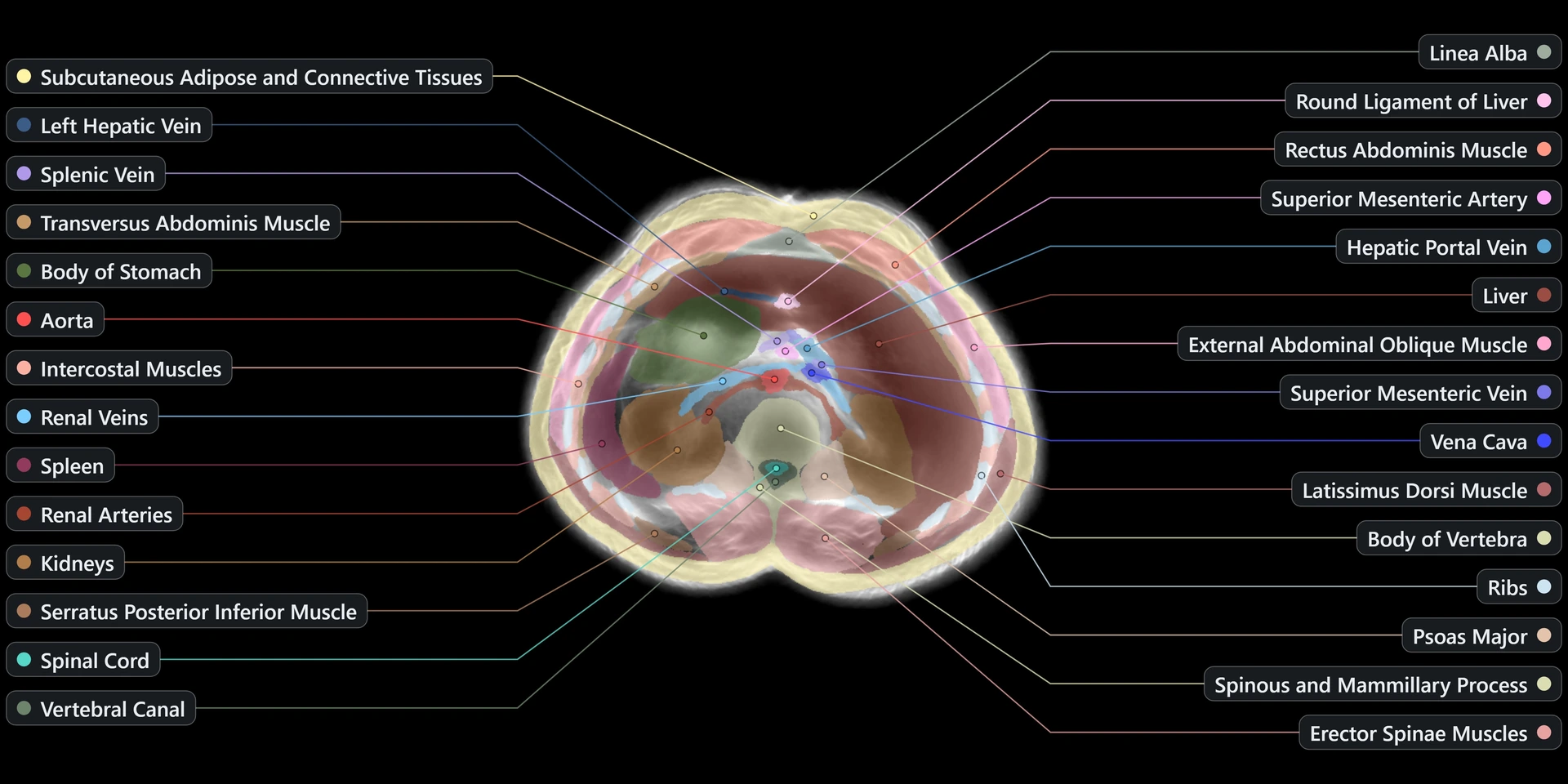
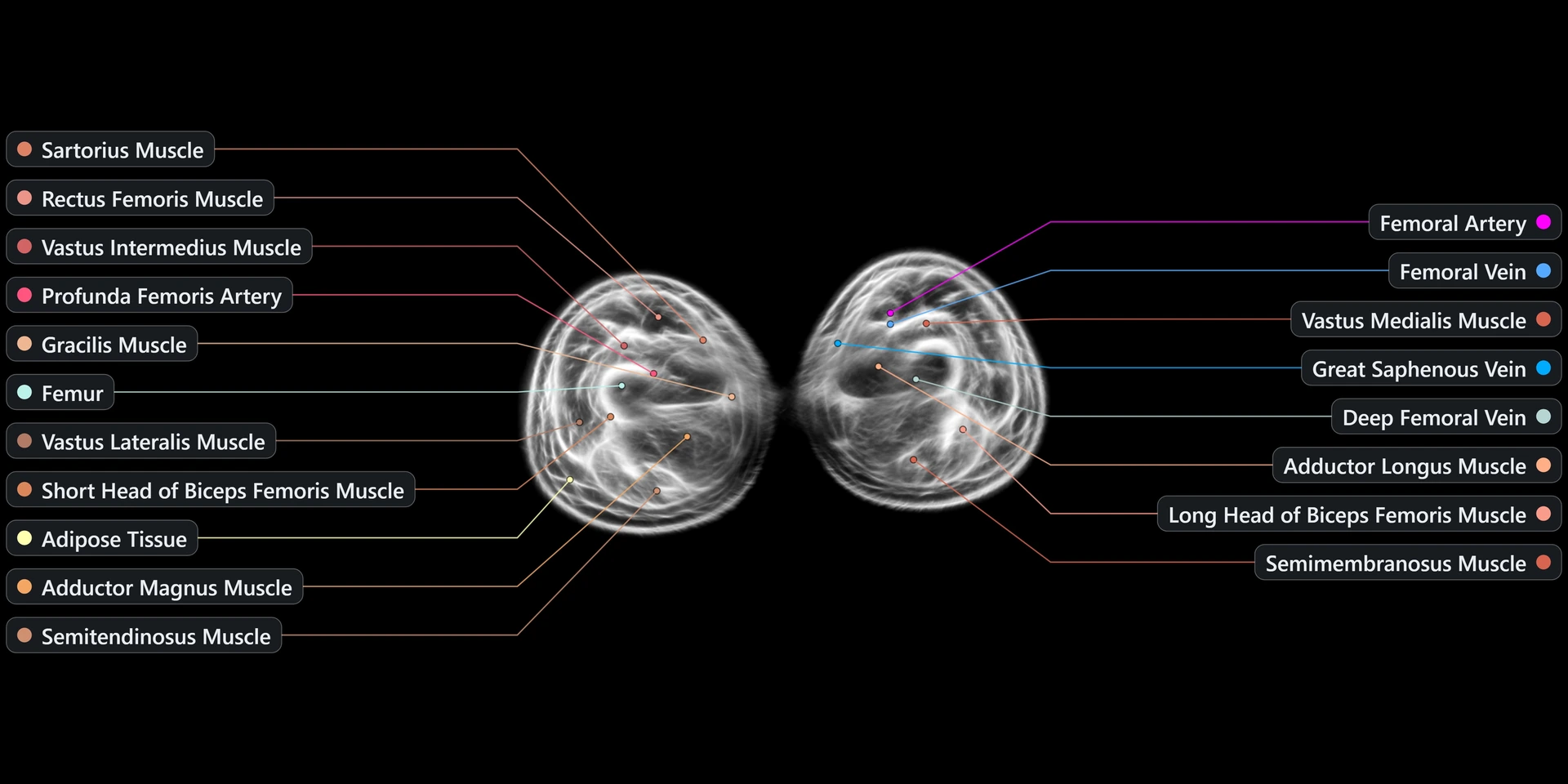
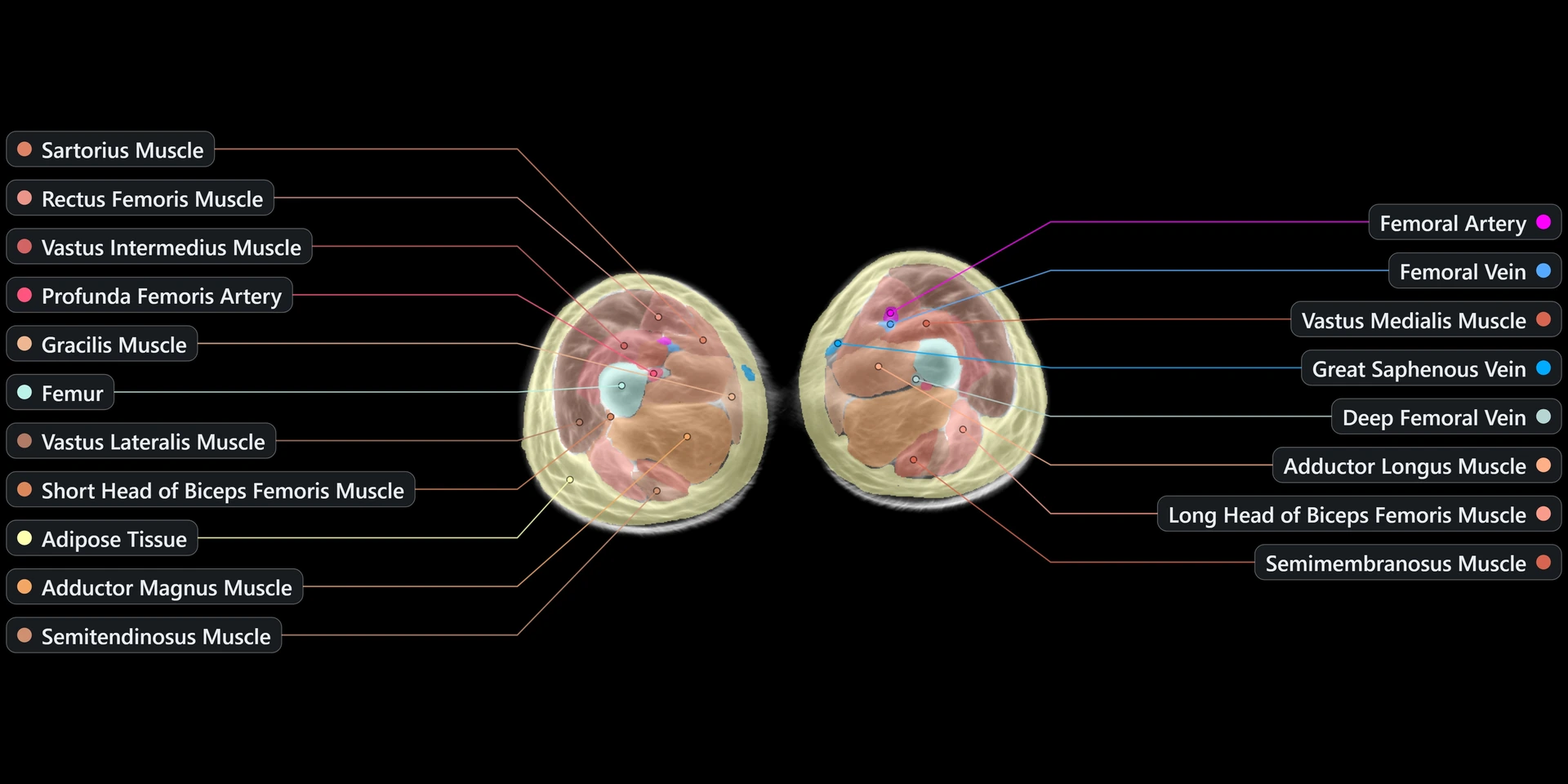
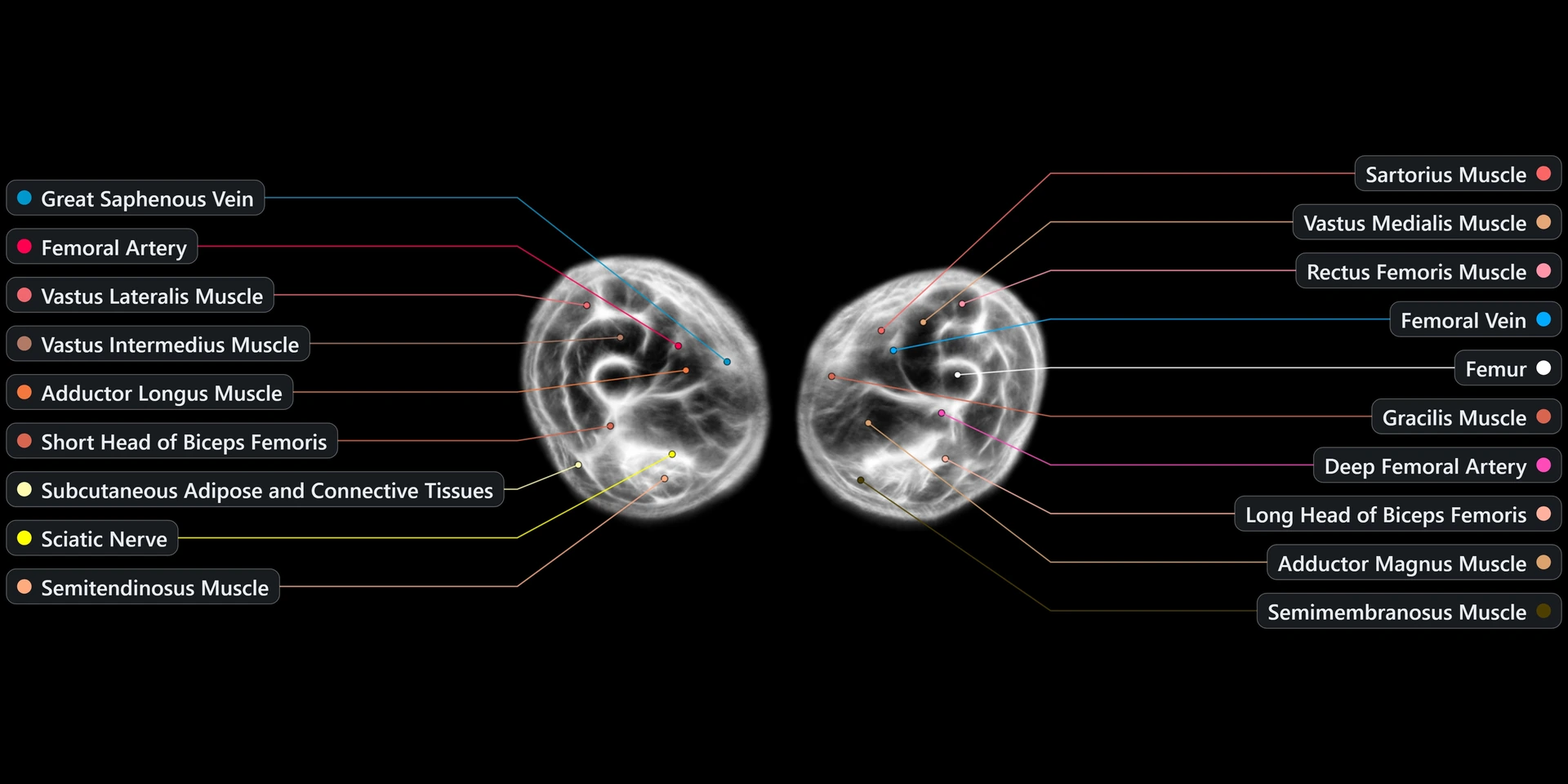
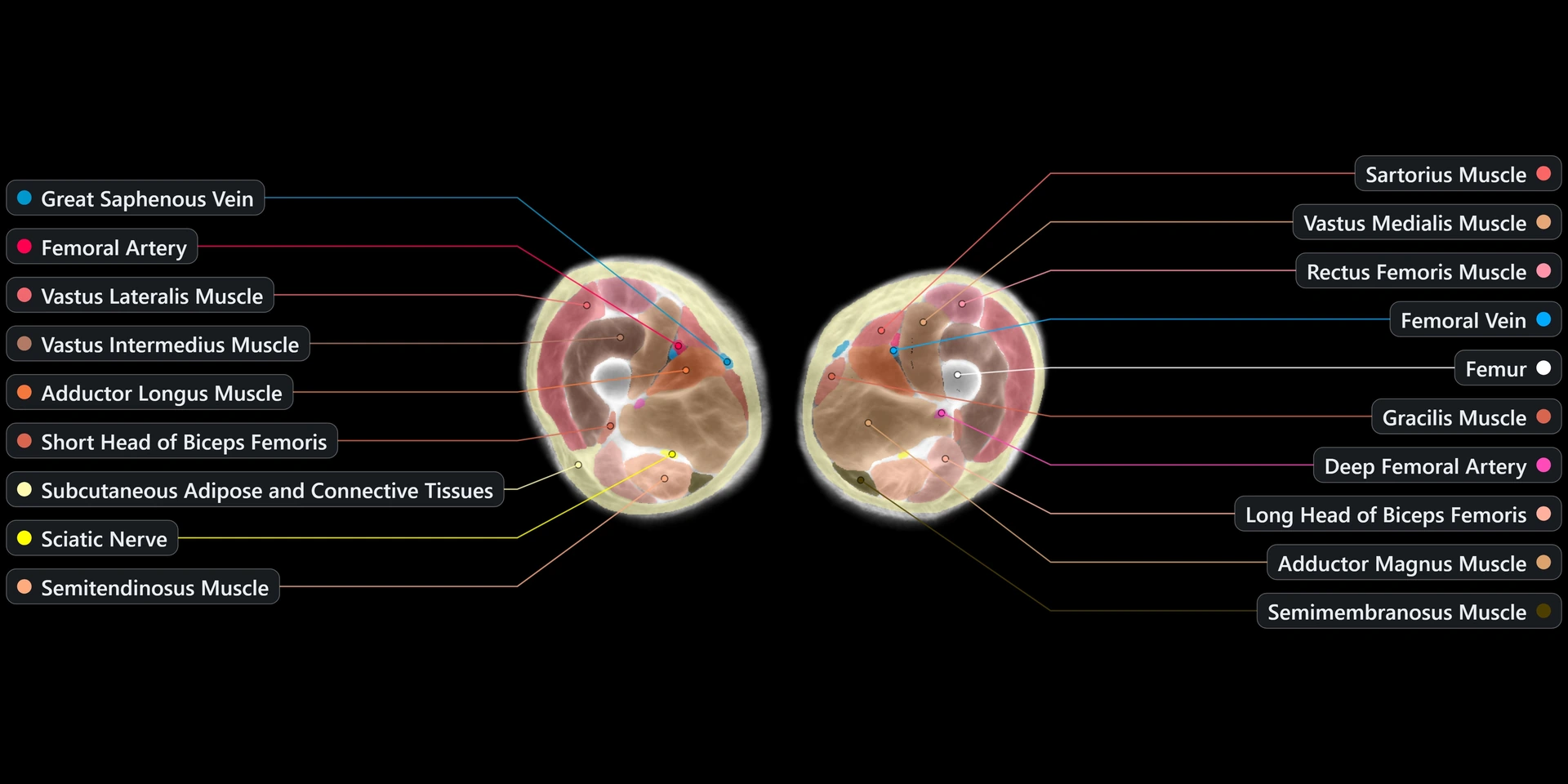
All of these images come together to cover a 3D map of your body, down to a fraction of a millimeter, that looks a lot like today's MRIs but at nearly a hundred times the speed.
Finding its Form
We think this kind of medical imaging could become not just commonplace, but a casual, everyday, literally “whenever you want” kind of thing. It's just sound waves, a bath of water, and 60 seconds.
So the next question is how do we integrate something like this into our daily lives?
We want to use the nature of this warm and gentle water to build an experience that isn't even necessarily about health, but is just a nice place to go, someplace you’d want to be even if there was no scanner.
So that’s why we’re building our scanners alongside another new product:
The Midjourney Spa
The first Spa will be opening in the heart of San Francisco in 2027.
Our spa will have hot tubs, saunas, cold plunges, and cozy rooms with pools of golden light which softly scan your body.
It should be a place you love going, whether it's by yourself, or with friends. It should be available 24/7. The scans are a side-effect. You barely think of them when going to the spa. But suddenly, you have a huge library of data about your health.
The Roadmap From Here
The next 12 months are about refining our algorithms and hardware on a daily basis. We’ll be doing research trials to show off the raw capabilities of our system, moving towards a 2nd generation hardware design, and we’ll do build-out for our first “research spa” which will become the promethean site that enables mass-scale health scanning.
Around the end of 2027 we’ll open up the Spa, and we’ll begin getting real world knowledge of what this infrastructure is going to be like.
This is moving at the maximum speed that’s physically possible. We want to advance the fundamental technology as fast as we can and get used to operating it at scale. Beyond that, regulation is the next limit. Normally, for every diagnostic medical capability you need FDA approval. We’re starting by just giving you detailed body composition maps — and we’ll be submitting regular test results to the FDA for increased capabilities.
In 2028 we’ll start scaling to more cities and we’ll upgrade to a 3rd generation scanner. Gen3 is where it gets ‘serious,’ the silicon for this design will be completely custom and image quality and scan times will be night-and-day.
Our ambitious goal is by 2031 to have a fleet of over 50,000 scanners worldwide - with a total scanning capacity of a billion scans a month - enough to cover a huge percentage of the global population, or enough to give regular, monthly scans to a billion people.
What This Leads To
Whether or not our scanners are a service that everyone uses, to us, the most important thing is that everyone will be able to use them. That, collectively, we can begin to change our relationship with our bodies and start to ask questions like: if we can catch things early, can we change our lifestyles to correct them? And seeing our bodies change over time, alongside our actions, how much can we improve our health, our minds, and our lives?
We think it's completely possible that with enough early imaging in the future, the world could avoid 30% of all deaths and 50% of all healthcare costs. The cultural, physical, and mental health benefits of all of this are hard to comprehend, but also hard to overstate.
A New Kind of Research Lab
As a reminder, Midjourney has no investors. We are a totally new kind of research lab. We've seen academic, corporate, and government labs - but we are a distinct (and curious) new thing: we are a community-backed research lab.
We're funded by everyday people, and because of this, we are also starting a new community around this project as well.
We want your thoughts on what you are most excited to see from our scanners. We want your thoughts on what our spas should be like.
But really, we just want you to be involved. A technology like this is intended for everyone, and we need your help to make sure it turns out that way.
So with that, we invite you to join us.
We’ll be publishing regular updates, exciting new scan images, and concepts of the spa as we design and build it out. We want to ask you lots of questions too! Your support and opinions help us be confident in our speed and scale and that we’ll make something in the first pass that everyone will love.
We hope with this announcement you start to see that Midjourney is a research lab that's constantly asking what we can build for people, and what we can change within the foundations of the human experience.
Beyond this, we have even more exciting projects that we've been working on for the past few years, and we can’t wait to show you more from here.
We hope today you can feel a little more that we are all Midjourney.